Currently Empty: R0.00

The South African Wellness Reality: How Load Shedding, Stress, and Modern Life Are Quietly Affecting Your Body
Most wellness content is written for a generic, global audience. It talks about stress in abstract terms, recommends morning routines that assume reliable electricity, and generally describes a version of modern life that doesn’t account for the specific, daily realities of living in South Africa.
This blog is different. Because the truth is, the wellness challenges facing South Africans are not generic — and the solutions need to reflect that.
The Load Shedding Effect Nobody Is Talking About
South Africa has been living with load shedding for years, and its impact on daily life is documented. What is less discussed is its cumulative effect on physical and mental well-being.
Sleep disruption is one of the most significant and least acknowledged consequences. When load shedding occurs during evening or night hours, alarms don’t go off, air conditioning or fans cut out, and the ambient sounds that form part of a familiar sleep environment disappear without warning. The resulting sleep fragmentation — even when people don’t fully wake — accumulates over time, affecting energy levels, cognitive function, mood, and immune resilience.
Food safety is another underappreciated concern. Irregular refrigeration during extended load shedding cycles affects the integrity of perishable foods in ways that are not always visible. Consuming food that has been improperly stored, even occasionally, adds to the body’s burden in ways that can affect digestive comfort and overall vitality.
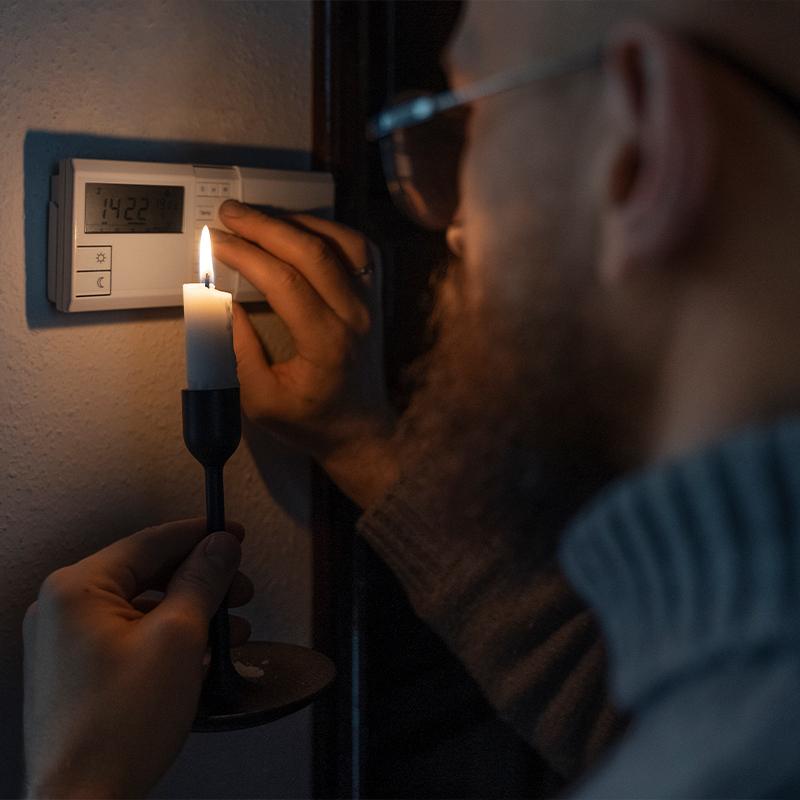
And then there’s the psychological weight. The chronic, low-level stress of not knowing when the power will go off, of planning around schedules that change, of managing generators, candles, and inverters as a permanent feature of daily life — this is a stress load that has no equivalent in most of the international wellness content South Africans consume.
“South Africa’s wellness challenges are not generic. They are specific, cumulative, and entirely underacknowledged by the global wellness industry.”
Economic Pressure and the Body
South Africa’s economic landscape is challenging by most measures. Unemployment remains high. Inflation has eroded purchasing power significantly. Many households carry financial stress as a permanent background condition rather than a temporary circumstance.
The health consequences of chronic financial stress are well-documented internationally. Elevated cortisol — the body’s primary stress hormone — sustained over extended periods, affects sleep quality, immune function, digestive health, and cognitive performance. It promotes inflammation, disrupts hormonal balance, and can significantly compromise the body’s natural repair and renewal processes.
This isn’t about weakness or lack of resilience. It’s about the biological reality of what sustained stress does to the human body over time — and why supporting the body’s natural balance through that stress is not a luxury but a genuine wellness priority.
Environmental Exposure in an Urban South African Context
South African cities carry environmental burdens that are worth acknowledging. Air quality in major urban centres — Johannesburg in particular — is significantly affected by industrial activity, vehicle emissions, and domestic burning, particularly during winter months.
Daily exposure to environmental elements in polluted urban environments places a quiet, ongoing demand on the body’s natural processes. These are not dramatic, acute exposures — they are low-level, cumulative pressures that most people never attribute to how they feel, but which play a meaningful role in general vitality, skin appearance, respiratory comfort, and cognitive clarity over time.
The Diet Gap
South Africa’s dietary landscape is complex. Fresh produce is expensive and unevenly accessible. Processed and ultra-processed foods — cheaper, more convenient, and heavily marketed — form a larger proportion of many South Africans’ diets than is ideal for long-term well-being.
The nutritional consequences are real. Mineral and trace element deficiencies are common across all income brackets — not only among those with limited food access, but among busy, urban, middle-class South Africans whose diets are calorie-sufficient but nutritionally incomplete.
Vitamin D deficiency is a striking example. Despite living in one of the sunniest countries in the world, many South Africans — particularly those working indoors, commuting early and late, and living in densely built urban environments — have insufficient vitamin D levels. This has knock-on effects for calcium absorption, immune function, mood, and bone health.
What This Means for Your Wellness Approach
Understanding the specific pressures on your body as a South African changes the conversation about wellness support.
It means that a foundation of consistent, broad-spectrum mineral support — like Nordens Organamin’s 74 bioavailable minerals from red algae — is not a nice-to-have but a practical response to the dietary gaps that are statistically common in this population.
It means that supporting your body’s natural balance and energy systems — as Nordens Rewind is formulated to do — is directly relevant to the cumulative environmental and stress loads that South Africans carry in ways that people in other countries simply do not.
It means that the wellness investments most worth making are those that work quietly and consistently in the background: daily mineral support, natural vitality aids, and products formulated for real absorption rather than impressive-sounding labels.
“Wellness support isn’t a luxury. For South Africans navigating load shedding, economic pressure, and urban environmental exposure, it’s a practical daily necessity.”
A Note on Resilience
South Africans are remarkable in their capacity to adapt, absorb, and keep going under conditions that would challenge most populations. That resilience is genuine and worth acknowledging.
But resilience is not infinite, and it is not free. It draws on physical reserves — on sleep, on nutritional status, on the body’s natural capacity to recover and renew. Supporting those reserves is not giving up on resilience; it’s investing in it.
Nordens Ultimate was built in South Africa, for South Africans. Our understanding of the wellness landscape here is not academic — it’s lived. And that understanding shapes everything about how we formulate, what we prioritise, and why we believe that simple, natural support for the body’s own processes is exactly what this moment calls for.
Practical Steps You Can Take Today
- Prioritise sleep hygiene during load shedding — invest in a small backup light and keep your sleep environment as consistent as possible during outages.
- Audit your mineral intake honestly — if fresh vegetables, dairy, and varied whole foods aren’t a daily constant, consider a bioavailable mineral supplement.
- Get outside for at least 20 minutes a day when you can — not for exercise necessarily, but for vitamin D synthesis and the well-documented mood benefits of natural light.
- Consider daily support for your body’s natural balance — not as a response to illness, but as an investment in the reserves that resilience draws from.
✦ Explore the Nordens Ultimate range — formulated for the real demands of South African life.
Nordens Ultimate products are health supplements. They are not intended to diagnose, treat, cure, or prevent any disease or medical condition.